Garbage Disposal Problems: 8 Signs You Need Repair or Replacement
Your garbage disposal may be one of the hardest-working appliances in your kitchen. It helps break down food waste and allows it to move through your kitchen drain.
But like any mechanical plumbing fixture, a garbage disposal can eventually develop problems.
A disposal that starts humming, leaking, smelling bad, draining slowly, or struggling to break down food should not simply be ignored. Continuing to use a malfunctioning unit can potentially make the problem worse or contribute to a clogged kitchen drain.
The good news is that not every garbage disposal problem requires a complete replacement. Some issues can be resolved with professional garbage disposal repair, while an old or severely damaged unit may be better replaced.
For homeowners in Miami-Dade and Broward County, understanding the warning signs can help you determine when it is time to call a professional plumber.
How Does a Garbage Disposal Work?
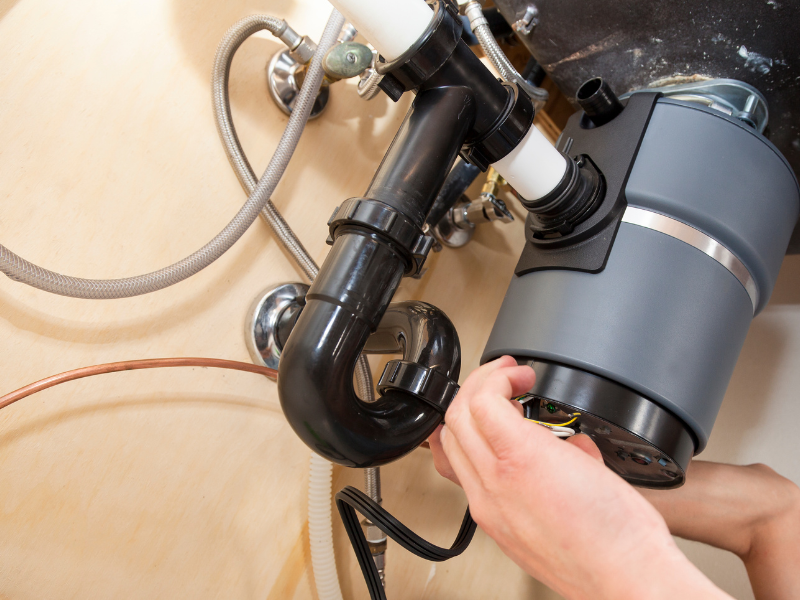
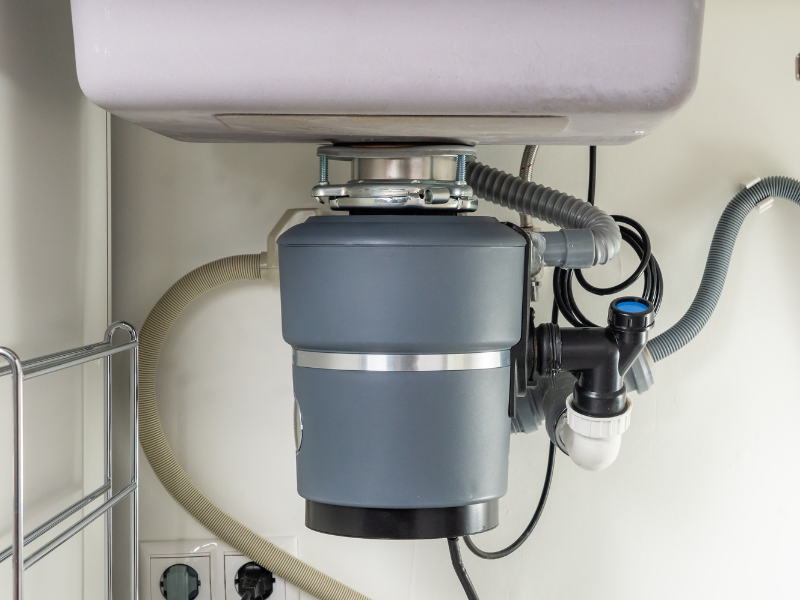
A garbage disposal is installed underneath the kitchen sink and connects to the sink drain and household plumbing.
When switched on, the disposal uses a motor to rotate internal components that break food waste into smaller pieces. Water then carries the waste through the drain system.
A typical system involves:
- The disposal unit
- Motor
- Grinding components
- Sink flange
- Drain connection
- Electrical connection
- Dishwasher connection, if applicable
- Kitchen drain piping
Because several components work together, a disposal problem may originate from the unit itself or from the connected plumbing.
8 Signs Your Garbage Disposal Needs Repair or Replacement
1. The Garbage Disposal Only Hums
A humming sound is one of the most recognizable disposal problems.
If you turn the unit on and hear the motor humming but the disposal does not operate normally, something may be preventing the internal mechanism from turning properly.
Possible causes can include:
- A jammed disposal
- A mechanical problem
- A motor issue
- An electrical problem
- An internal component failure
Do not put your hand inside the disposal to investigate.
If the disposal is humming but not operating, turn it off and have a professional determine the cause.
2. Your Garbage Disposal Is Leaking
Water underneath the kitchen sink is a strong reason to inspect the disposal and surrounding plumbing.
A leak can occur at:
- The sink flange
- Disposal housing
- Drain connection
- Dishwasher connection
- Plumbing fittings
- Other nearby components
Not every leak means the disposal itself needs to be replaced.
For example, a loose or damaged connection may be repairable.
However, if the disposal housing itself is cracked or deteriorated, replacement may be necessary.
A plumber can determine whether the valve can be repaired or should be replaced.
3. The Disposal Makes Loud or Unusual Noises
A properly operating disposal should make a consistent mechanical sound.
Sudden noises such as:
- Grinding
- Rattling
- Clanking
- Screeching
- Repeated banging
can indicate a problem.
Foreign objects, worn components, or mechanical damage can cause unusual noises.
If the sound suddenly changes, stop using the disposal until the problem has been evaluated.
Continuing to operate a damaged unit can potentially cause additional mechanical problems.
4. The Garbage Disposal Drains Slowly
If water takes longer than usual to drain from your kitchen sink, the problem may involve the disposal or the drain line.
Possible causes include:
- Food buildup
- Grease accumulation
- A partially clogged drain
- Drain piping restrictions
- A disposal problem
- A downstream plumbing blockage
A slow drain should not automatically be treated as a reason to replace the disposal.
The plumbing system should be evaluated to determine where the restriction is located.
5. The Disposal Keeps Getting Clogged
Occasional problems can happen, especially when inappropriate materials are placed into the disposal.
But repeated clogs may indicate an underlying issue.
Possible causes include:
- Excessive food waste
- Grease or oil buildup
- Fibrous food materials
- Improper disposal use
- Drain restrictions
- Poor drainage
- A disposal that is no longer functioning efficiently
If the kitchen drain repeatedly backs up, professional drain cleaning may be necessary in addition to disposal service.
6. You Notice a Persistent Bad Smell
Garbage disposals can develop odors when food particles accumulate inside the unit or connected plumbing.
A mild odor may sometimes be addressed with proper cleaning and maintenance.
However, a persistent smell can indicate:
- Food buildup
- Organic debris
- Drain buildup
- Standing water
- A partially blocked drain
- Problems within the disposal
If cleaning does not resolve the odor, a plumber can inspect the disposal and connected drain system.
7. The Disposal Stops Working Completely
If the disposal does not turn on at all, several possibilities should be considered.
The problem could involve:
- Power supply
- Electrical connection
- Wall switch
- Circuit breaker
- Reset mechanism
- Motor
- Internal mechanical failure
Homeowners should avoid attempting electrical repairs if they are not qualified to do so.
If basic manufacturer-recommended troubleshooting does not resolve the issue, professional diagnosis can determine whether the disposal can be repaired or should be replaced.
8. Your Garbage Disposal Is Old and Frequently Failing
Age alone does not automatically mean a garbage disposal needs replacement.
However, an older unit that repeatedly experiences:
- Leaks
- Jams
- Motor problems
- Unusual noises
- Drainage problems
- Mechanical failures
may no longer be worth repeatedly repairing.
When repair costs and inconvenience continue to increase, replacing the unit may provide a more practical long-term solution.
Garbage Disposal Repair vs. Replacement
One of the most common questions homeowners ask is:
Should I repair my garbage disposal or replace it?
The answer depends on the condition of the unit.
Repair May Make Sense When:
- The problem is relatively minor
- The unit is otherwise in good condition
- The disposal is not excessively old
- The motor is functioning properly
- A connection or component can be repaired
- Replacement would not provide a meaningful advantage
Replacement May Make More Sense When:
- The housing is cracked
- The motor has failed
- The disposal repeatedly jams
- The unit has multiple problems
- Leaks continue after repairs
- The unit is significantly deteriorated
- Repair costs are approaching the cost of replacement
A professional plumber can evaluate the disposal and explain the available options.
What Should Never Go Down a Garbage Disposal?
One of the best ways to prevent disposal problems is to be careful about what enters the unit.
Avoid putting inappropriate materials down the disposal, including:
Grease and Cooking Oil
Grease can solidify and contribute to buildup within kitchen drainage systems.
Fibrous Food
Materials such as celery, corn husks, and similar fibrous foods can wrap around internal components or contribute to drainage problems.
Large Bones
Large bones can damage or jam a disposal.
Hard Objects
Glass, metal, and other hard objects should never be placed in a garbage disposal.
Non-Food Materials
Plastic, paper, packaging, and other non-food materials can damage the unit or create blockages.
Excessive Food Waste
Even food that can technically go into a disposal should be introduced gradually with adequate water.
The disposal is not designed to replace your household trash can.
Can Grease Damage Your Kitchen Plumbing?
Yes.
Even if grease appears liquid when poured down the drain, it can cool and accumulate inside plumbing.
Over time, grease buildup can contribute to:
- Slow drains
- Recurring kitchen clogs
- Unpleasant odors
- Drain backups
- More difficult drain cleaning
For this reason, cooking grease and oil should generally be collected and disposed of properly rather than poured into the kitchen drain.
Why Is My Garbage Disposal Leaking From the Bottom?
A leak from the bottom of the disposal can indicate an internal housing or seal problem.
If water is coming directly through the disposal housing, replacement may be necessary because internal components are not always practically repairable.
However, water appearing underneath the disposal does not necessarily mean the housing itself is leaking.
Water may be coming from:
- A drain connection
- Sink flange
- Dishwasher hose
- Nearby supply or drain piping
A plumber should identify the exact source before recommending replacement.
Can a Garbage Disposal Cause a Clogged Sink?
Yes, problems involving the disposal can contribute to kitchen drainage issues.
However, a clogged sink does not necessarily mean the disposal is the cause.
The restriction could be farther down the kitchen drain line.
If the sink continues backing up after the disposal is repaired or replaced, the drain itself may require professional cleaning.
Depending on the severity of the blockage, a plumber may use methods such as drain snaking or other appropriate drain-cleaning techniques.
What Should You Do If Your Garbage Disposal Is Jammed?
If the disposal becomes jammed:
- Turn the disposal off immediately.
- Do not put your hand into the unit.
- Do not continue switching it on and off.
- Follow the manufacturer’s safety instructions if appropriate.
- If the problem remains, contact a professional plumber.
Safety should come first when dealing with a motorized appliance installed near water.
Should You Replace the Garbage Disposal When Remodeling Your Kitchen?
Not necessarily.
A kitchen remodel can be a good opportunity to evaluate the disposal and surrounding plumbing, but replacement should depend on its condition and compatibility with the new installation.
During a kitchen renovation, homeowners may also consider:
- New sink installation
- Faucet replacement
- Dishwasher hookup
- Refrigerator water line installation
- Ice maker line installation
- Under-sink plumbing
- Water filtration
- Reverse osmosis systems
A professional plumber can help coordinate the plumbing components of a kitchen remodeling project.
Garbage Disposal Maintenance Tips
Proper use and routine attention can help extend the useful life of a disposal.
Run Adequate Water
Allow sufficient water to flow while the disposal is operating and briefly afterward to help move waste through the drain.
Avoid Grease
Do not intentionally pour cooking grease or oil into the disposal.
Don’t Overload the Unit
Introduce food waste gradually rather than putting a large amount into the disposal at once.
Use the Disposal for Appropriate Food Waste
Follow the manufacturer’s instructions regarding what the specific unit can handle.
Address Leaks Quickly
A small leak underneath the sink should not be ignored.
Pay Attention to Changes
Unusual noises, recurring jams, slow drainage, and odors can indicate developing problems.
How Long Does a Garbage Disposal Last?
There is no guaranteed lifespan for every disposal.
Service life can vary based on:
- Quality of the unit
- Frequency of use
- Type of materials processed
- Installation
- Maintenance
- Plumbing conditions
- Operating habits
A heavily used disposal may experience wear differently from one used occasionally.
Instead of replacing a unit solely because of its age, consider its current performance and repair history.
Professional Garbage Disposal Installation
Installing a new disposal involves more than simply connecting the appliance underneath the sink.
The installation may require attention to:
- Sink compatibility
- Mounting hardware
- Drain connections
- Dishwasher connections
- Electrical requirements
- Existing plumbing
- Drain configuration
A professional installation can help ensure that the disposal is properly connected to the kitchen plumbing system.
If the existing drain or connections are already deteriorated, those problems should be addressed during the installation.
When Should You Call a Plumber?
You should consider professional plumbing service if:
- Your disposal is leaking
- The motor only hums
- The unit makes unusual noises
- The disposal repeatedly jams
- Your kitchen sink drains slowly
- The sink repeatedly backs up
- The disposal stops working
- You notice persistent odors
- The unit is old and frequently failing
- You are installing a new disposal
A professional can determine whether the problem is with the disposal, drain, plumbing connections, or another component.
Garbage Disposal Problems in South Florida Homes
Kitchen plumbing problems can happen in any home, whether the property is new, renovated, or decades old.
Flow Pros Plumbing provides kitchen plumbing services throughout Miami-Dade and Broward County, including Miami, Coral Gables, Pinecrest, South Miami, Kendall, West Kendall, Doral, Hialeah, Miami Beach, Homestead, Cutler Bay, Palmetto Bay, Pembroke Pines, Miramar, Davie, Fort Lauderdale, Weston, Coral Springs, and surrounding communities.
Our kitchen plumbing services include:
- Garbage disposal repair
- Garbage disposal installation
- Kitchen sink installation
- Faucet repair and replacement
- Dishwasher hookups
- Refrigerator water line installation
- Ice maker line installation
- Under-sink plumbing repair
- Water filtration systems
- Reverse osmosis systems
- Kitchen drain cleaning
Whether you need a disposal repaired, replaced, or installed as part of a kitchen plumbing project, proper diagnosis is the first step.
Need Garbage Disposal Repair or Installation in South Florida?
A leaking, jammed, noisy, or non-working garbage disposal can quickly turn into a frustrating kitchen plumbing problem.
Flow Pros Plumbing provides professional garbage disposal repair and installation throughout Miami-Dade and Broward County, along with kitchen drain cleaning, sink plumbing, faucet services, dishwasher hookups, refrigerator water lines, and other residential plumbing services.
We serve homeowners throughout Miami, Coral Gables, Pinecrest, South Miami, Kendall, West Kendall, Doral, Hialeah, Miami Beach, Homestead, Cutler Bay, Palmetto Bay, Pembroke Pines, Miramar, Davie, Fort Lauderdale, Weston, Coral Springs, and nearby South Florida communities.
Whether your disposal is leaking, humming, making unusual noises, repeatedly clogging, or simply no longer working, don’t keep forcing a failing unit to operate.
Call Flow Pros Plumbing today at 786-857-1560 or 954-993-3020 to schedule garbage disposal repair, replacement, or installation. For urgent plumbing problems, 24/7 emergency plumbing service is available throughout our service area.
Flow Pros Plumbing — Licensed & Insured Plumbing Services for Miami-Dade and Broward County.
FAQ
Find Out Answers Here
A humming disposal may have a jammed mechanism, motor problem, or another mechanical issue. Turn it off and avoid putting your hand inside the unit. If basic manufacturer-recommended troubleshooting does not resolve the problem, contact a plumber.
It depends on where the leak is coming from and the condition of the unit. A leaking connection may be repairable, while a leak through a damaged disposal housing may require replacement.
Frequent breakdowns, persistent leaks, motor failure, severe mechanical problems, or an aging unit with repeated repairs can indicate that replacement is more practical.
Yes. A professional plumber can install the disposal and connect it to the sink drain and other applicable plumbing components.
A backup may indicate a clogged or restricted kitchen drain. The disposal itself may or may not be responsible. A plumber can inspect the disposal and drain system to identify the cause.
It is best to avoid putting cooking grease and oil down the disposal because they can contribute to buildup and drainage problems.
Odors can result from food residue, organic buildup, standing water, or drain problems. If cleaning does not resolve the smell, professional inspection may be necessary.
Not necessarily. If the clog is located in the kitchen drain line rather than inside the disposal, replacing the appliance will not resolve the blockage.